The big idea

The Eighth
Continent

We've spent decades looking out to sea for answers to climate change, and overlooked what grows right beside us, because we never looked up.

The forest canopy is a living, breathing system that holds more than half of terrestrial biodiversity. It regulates water, stores carbon, produces oxygen, makes medicines, and shelters the web of life that keeps the planet habitable. Meg began calling it the Eighth Continent because that's what it felt like, vast, essential, and largely unexplored.

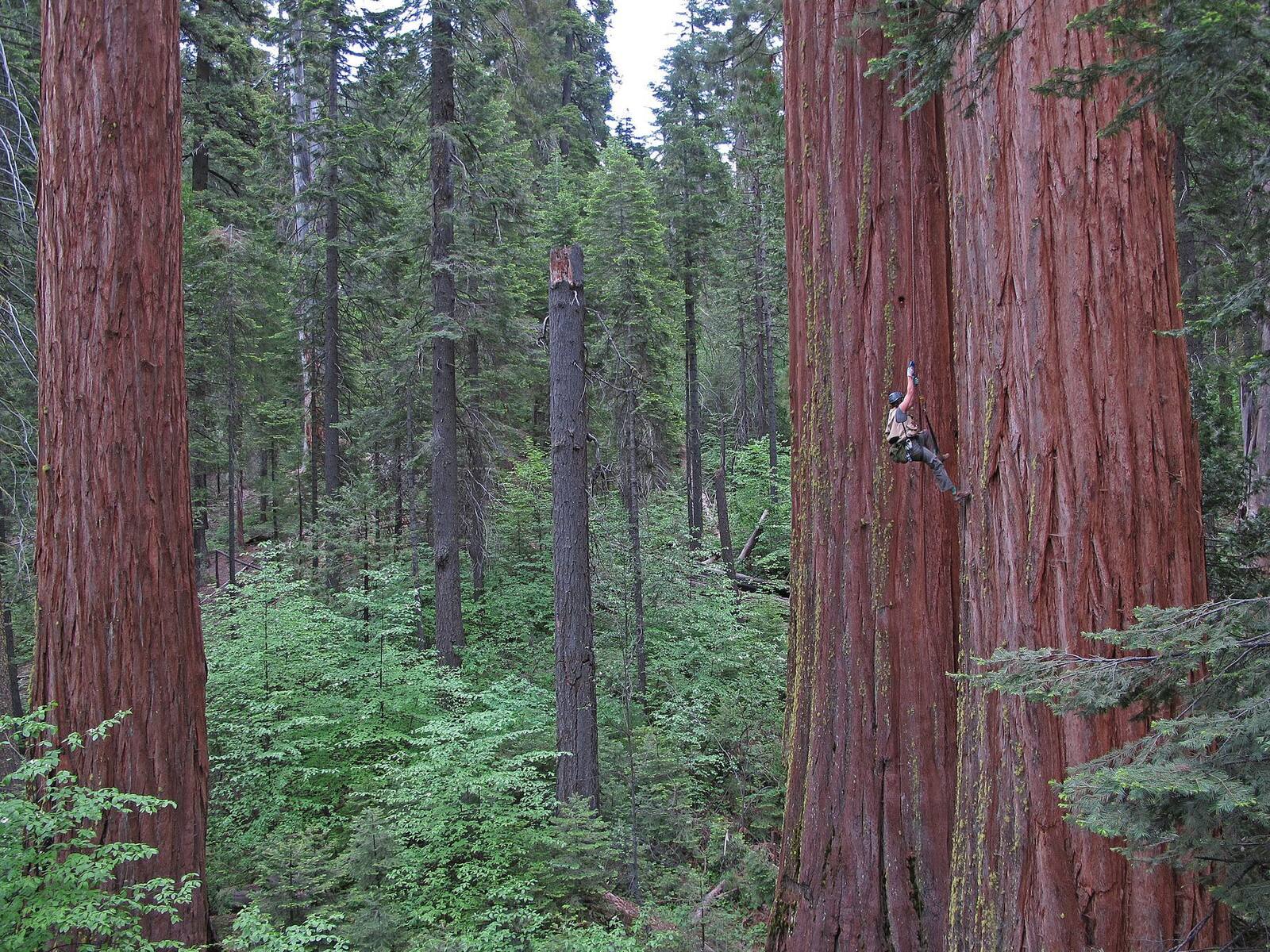
The biggest, oldest trees do the heaviest climate lifting, and they're the first cut for short-term gain. Something simple like saving big trees can be an uplifting and realistic solution.

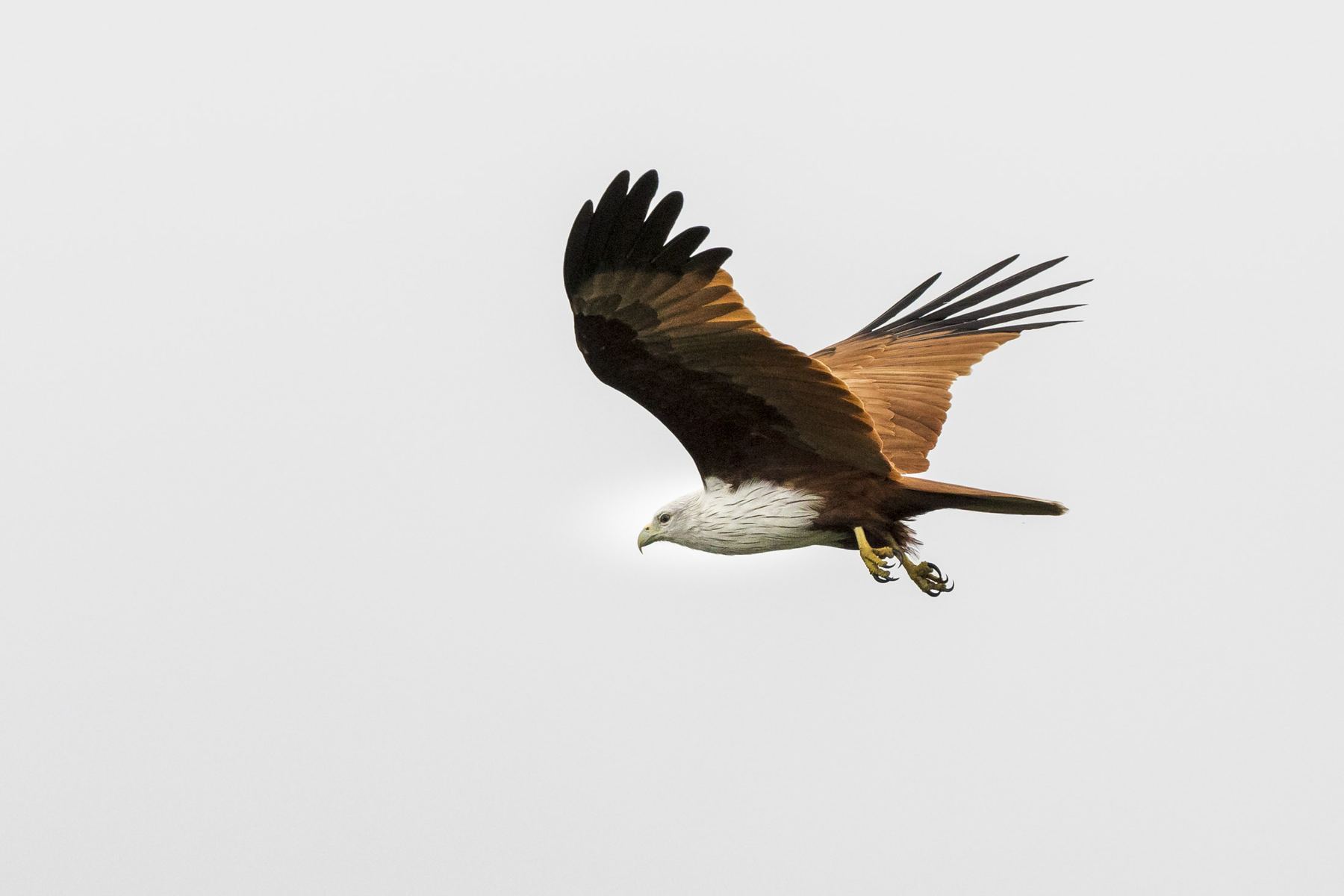
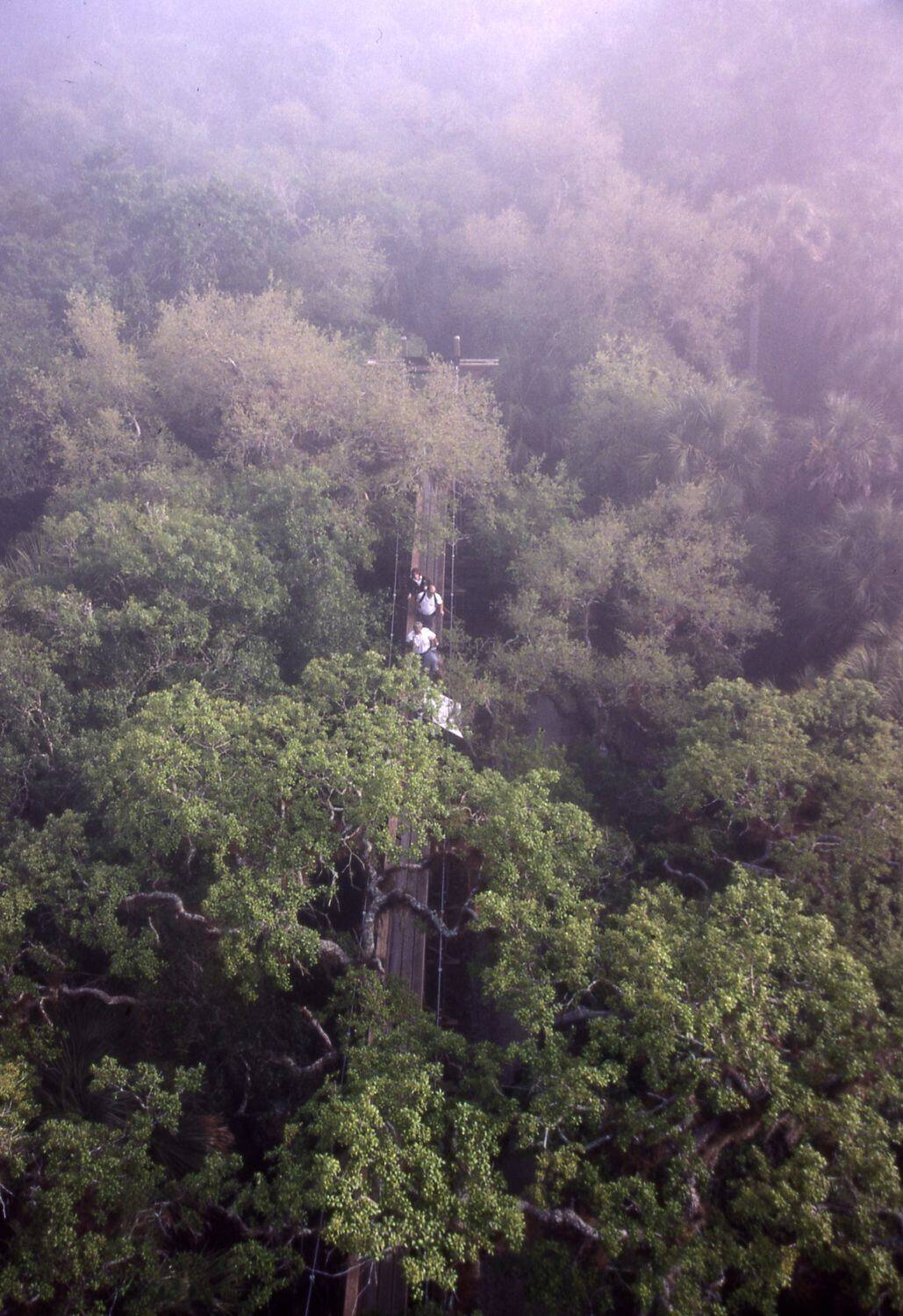
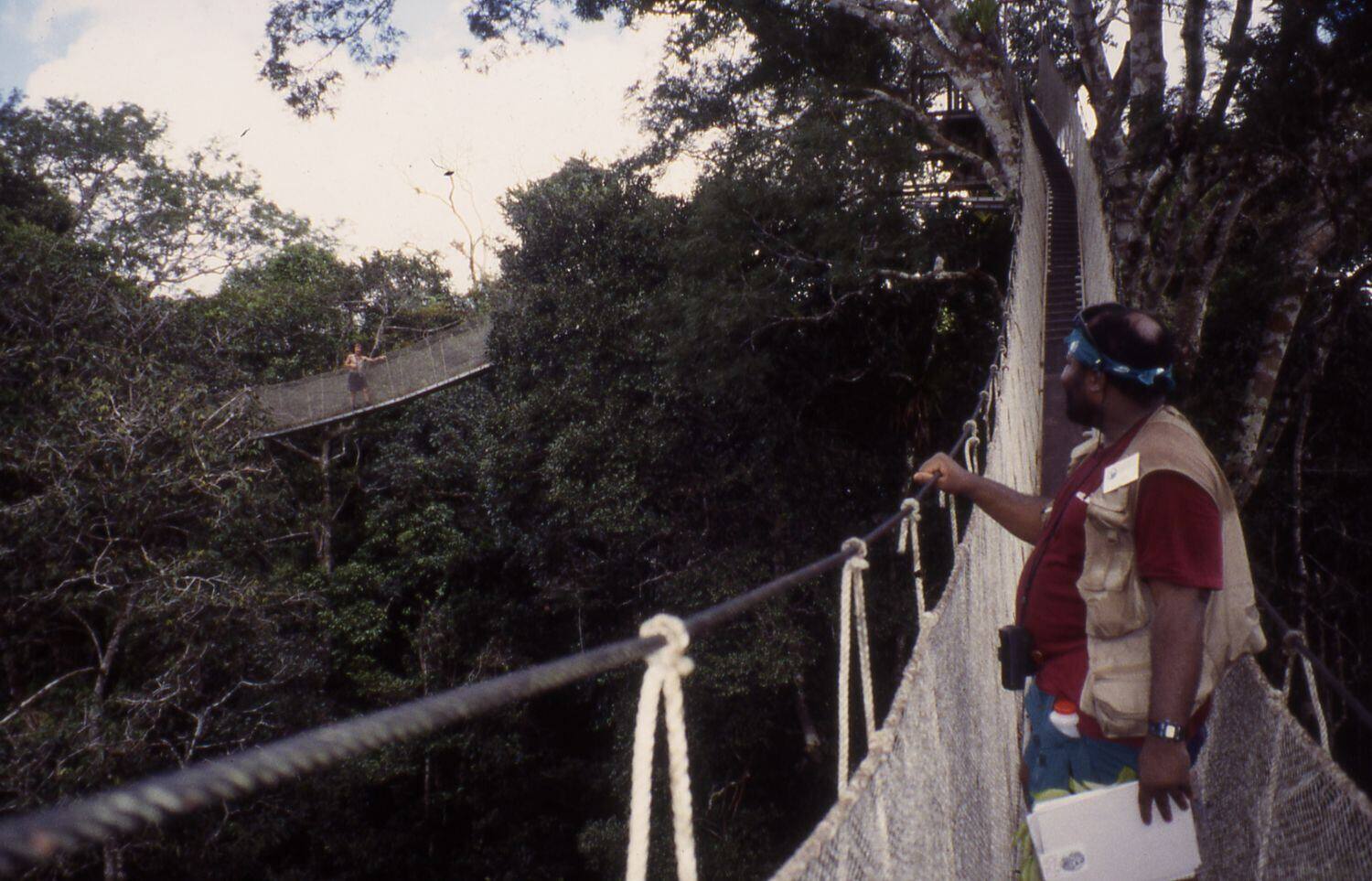
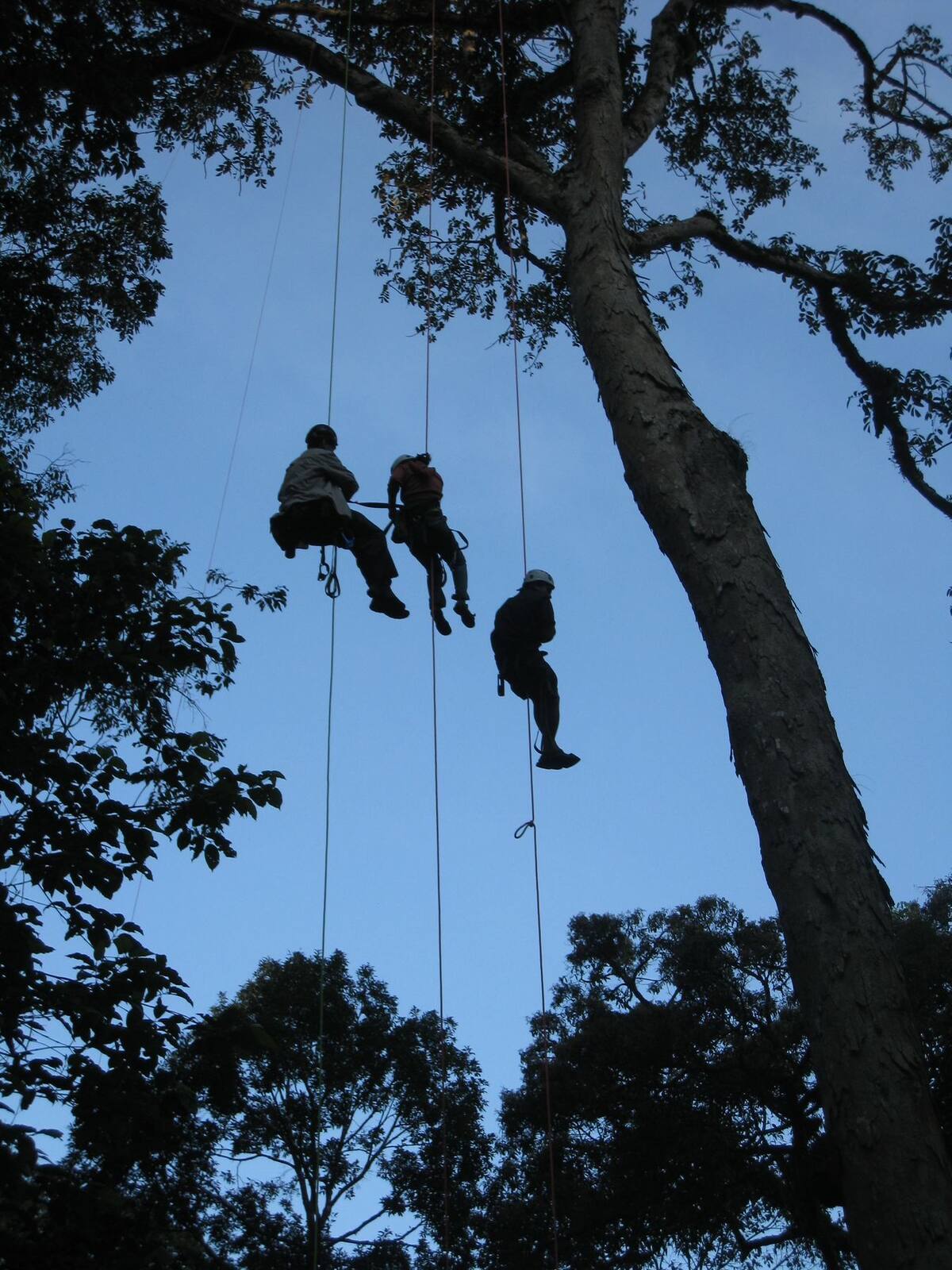
The forest canopy seen from aboveTwo climbers on ropes in the canopyA brahminy kite in flight over the canopyMist over a rainforest canopy seen from aboveA person crossing a canopy net bridge

The forest canopy seen from above

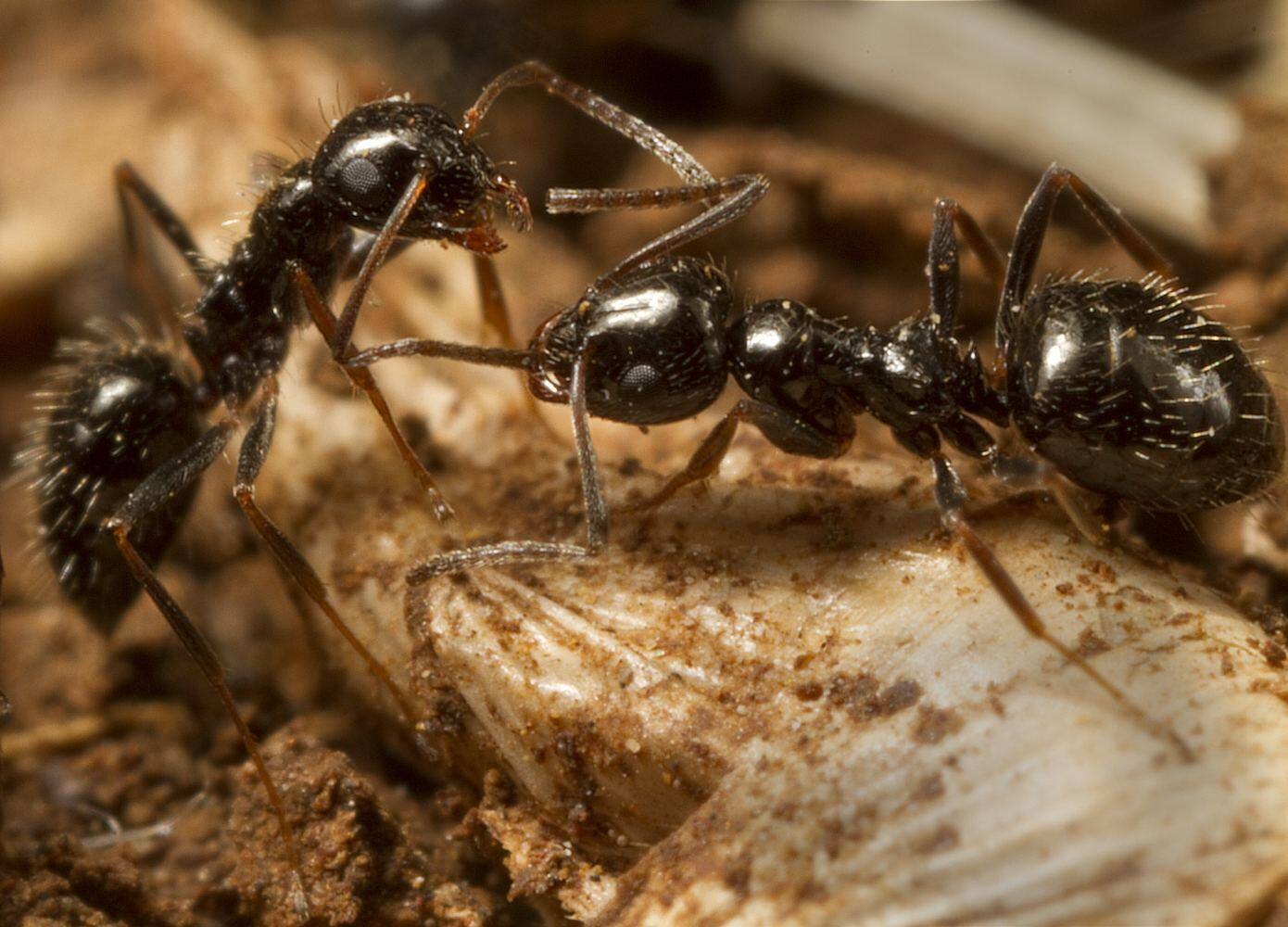
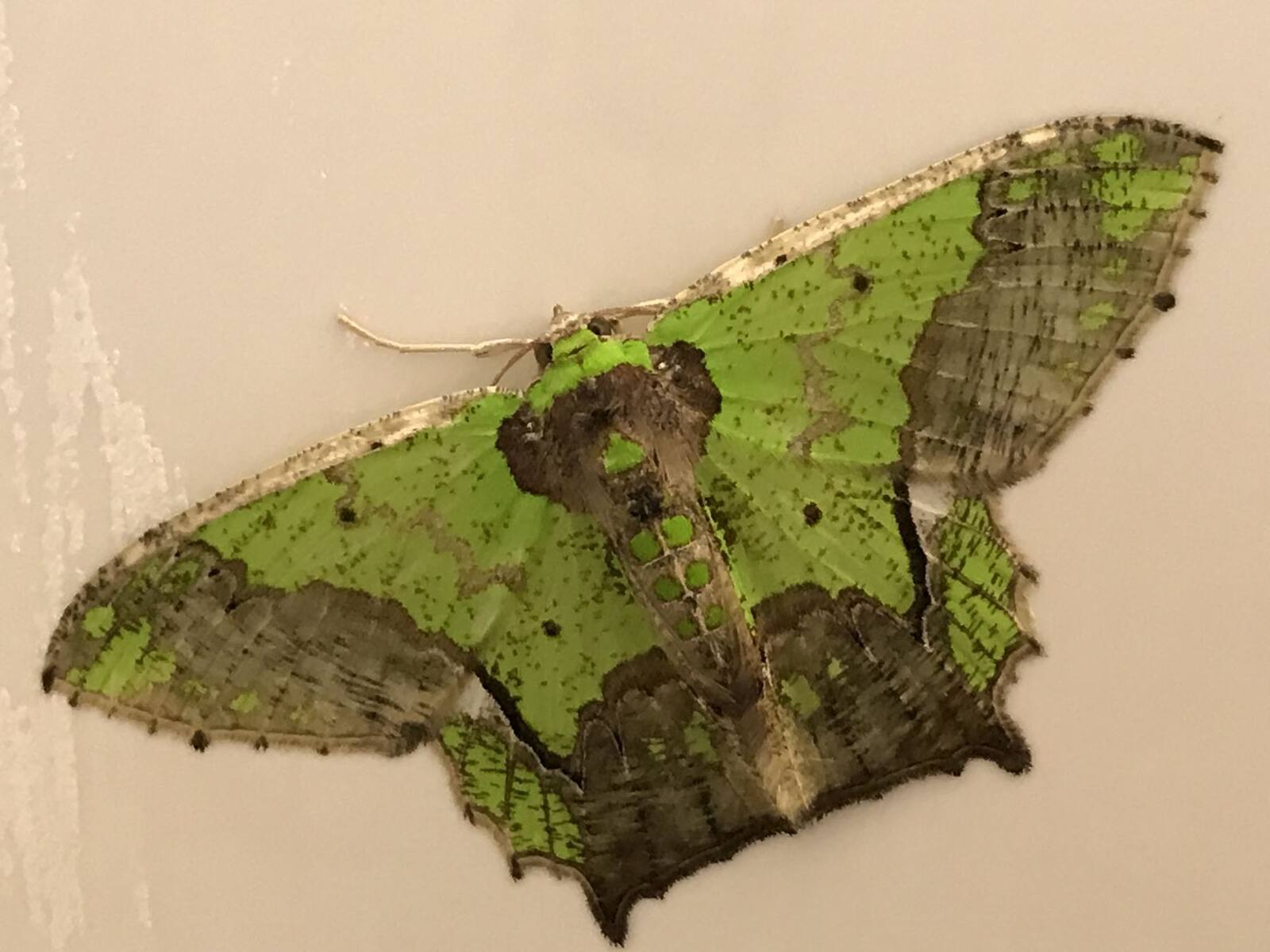
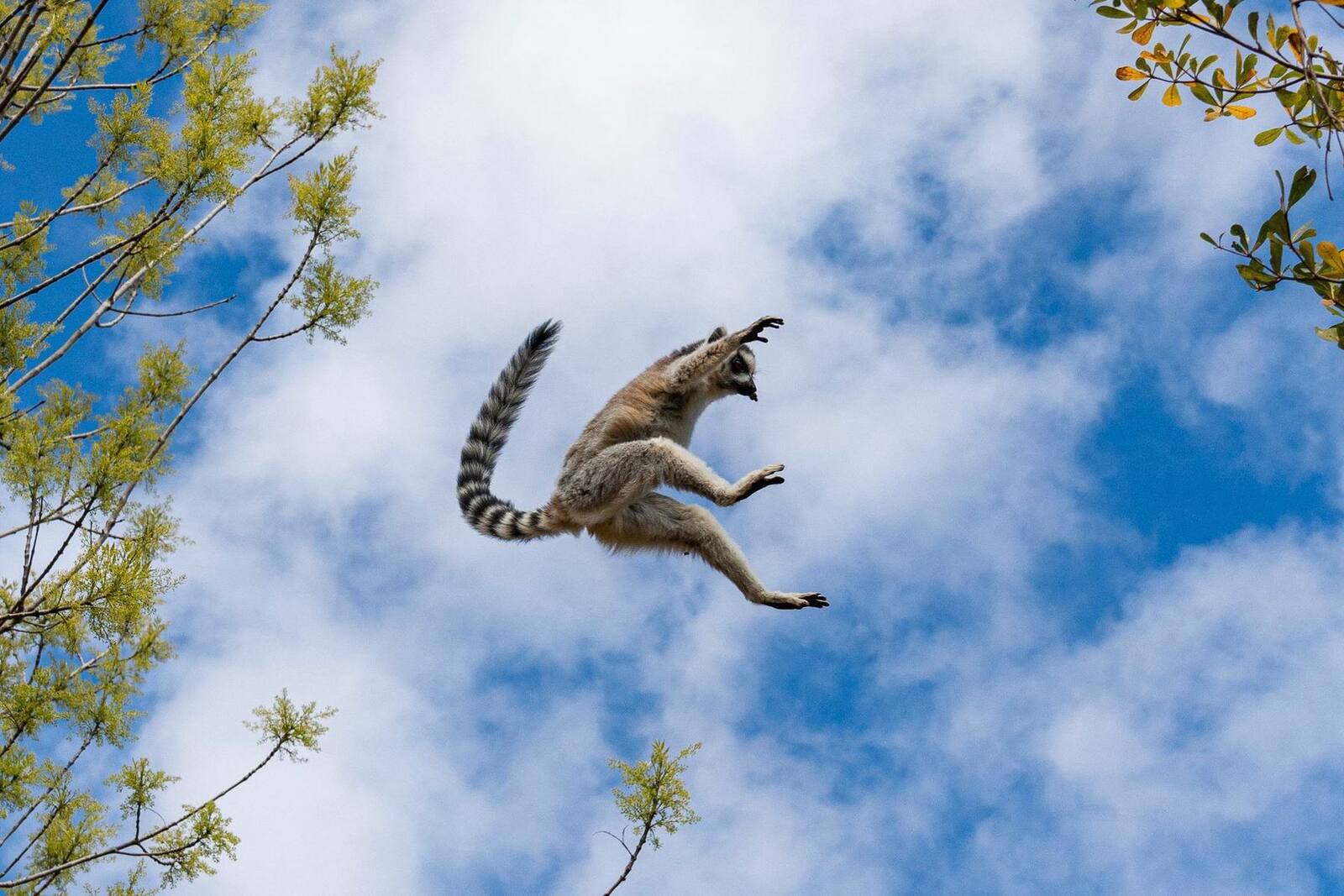
Ants on the forest floor, close up A leaf-mimic moth resting on bark A ring-tailed lemur leaping, seen from below

50% of Earth's biodiversity resides in the treetops, also called the “Eighth Continent”

Above the forest floor exists an entire world most of us never see or appreciate. The canopy, the highest layer of the forest, is one of the least explored and most biologically rich ecosystems on Earth, and impossible to replace by planting new trees. It's a place of overlooked solutions, untapped possibility, and critical answers to how we can survive on this planet.

Why trees

Trees and plants are miracle workers.

Three things a forest does that nothing else does as well, and that we only started measuring properly once someone climbed up to look.

Click to learn more Open any layer for the detail and the photographs.

01 Shelter Trees save millions of dollars a year in air-conditioning bills and storm amelioration, because canopies shelter us. Learn more

A canopy is physical infrastructure. It shades surfaces before they heat, releases water vapor that cools the air around it, blocks wind before it reaches a roof, and slows rain before it reaches soil. Cities pay for that work in concrete and electricity when the trees are gone.

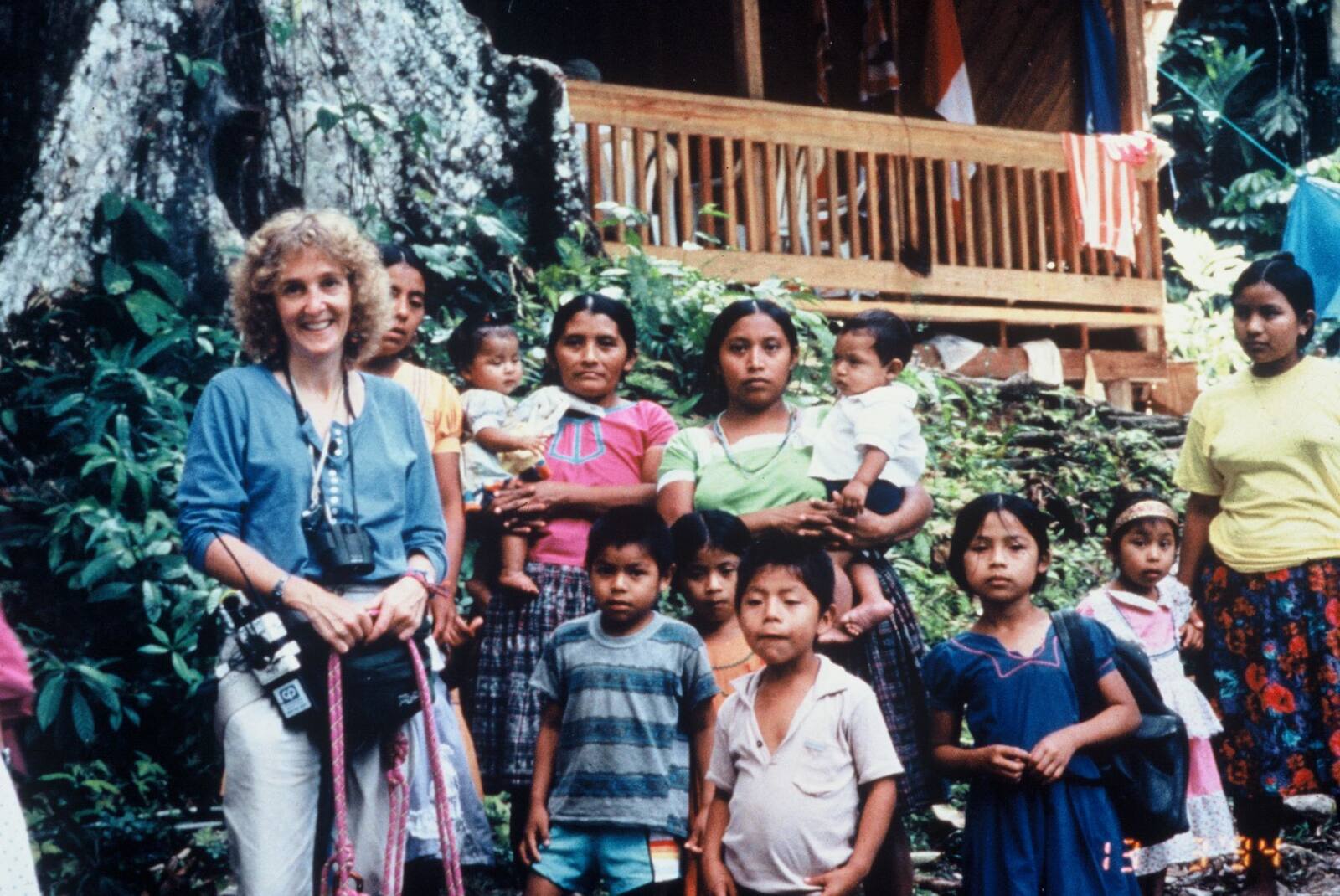
Old-growth redwoodsMeg with families beside a field station in GuatemalaMeg on the walkway with the canopy behind
02 Habitat Trees are home to over 50% of species on the land portion of Earth, a veritable condominium in the sky. Learn more

The canopy is layered like a building, and different species occupy different floors. Many never descend at all: they feed, mate, nest and die above the ground. That is why surveying a forest from the forest floor misses most of the forest.

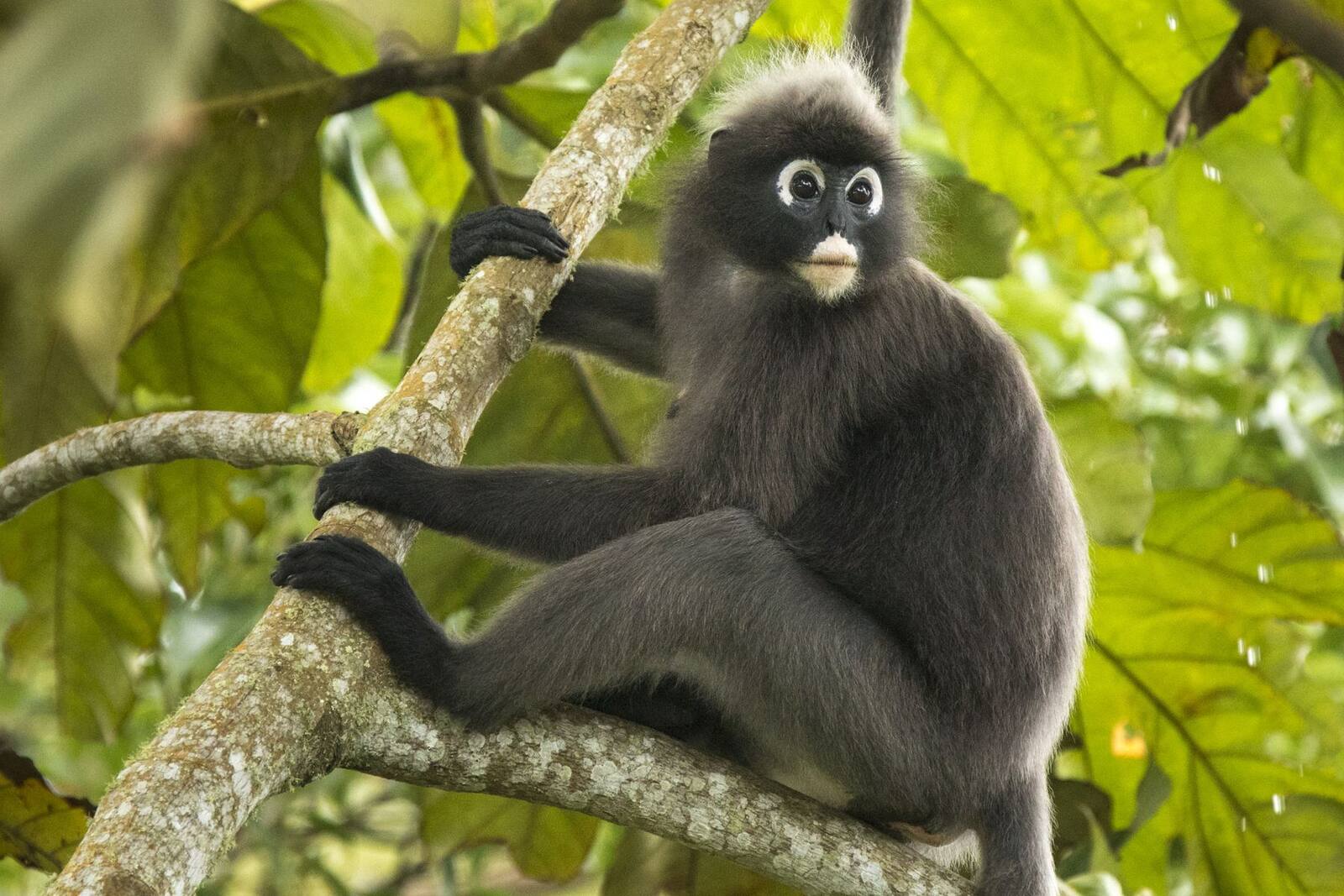
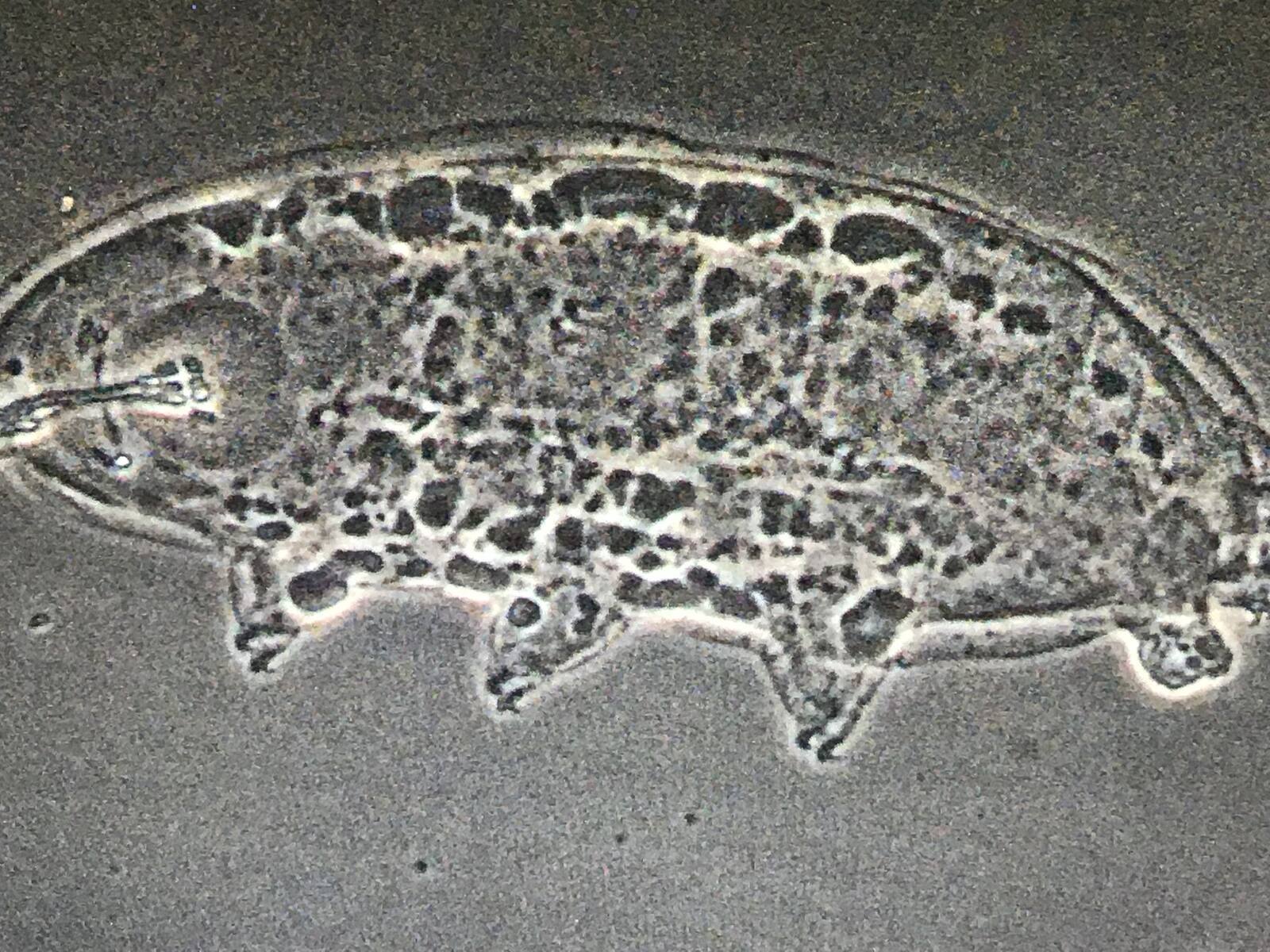
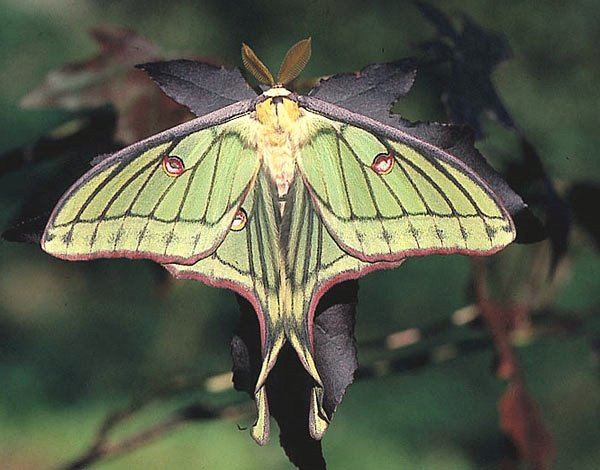
A dusky leaf monkey in the branchesA tardigrade under the microscopeA luna moth on a branch
03 Energy Trees and plants are the only living things that can create energy from sunlight, releasing oxygen from this metabolic activity. Learn more

Every other organism, ourselves included, is spending energy that a plant captured first. The oxygen is a by-product of that transaction. It is the single most consequential chemical process on the planet, and the canopy is where most of it happens, the leaves doing the work are at the top, in the light.

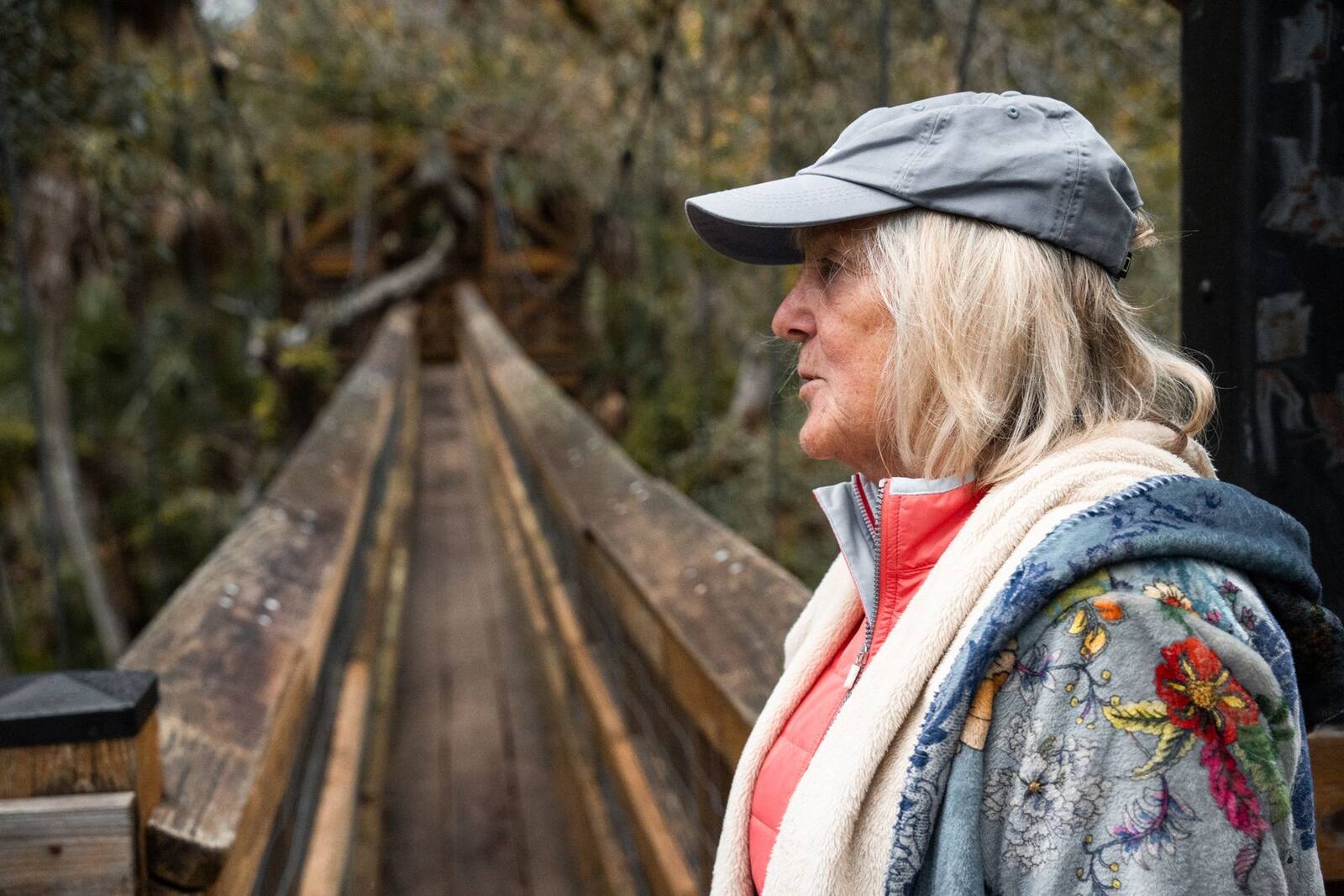
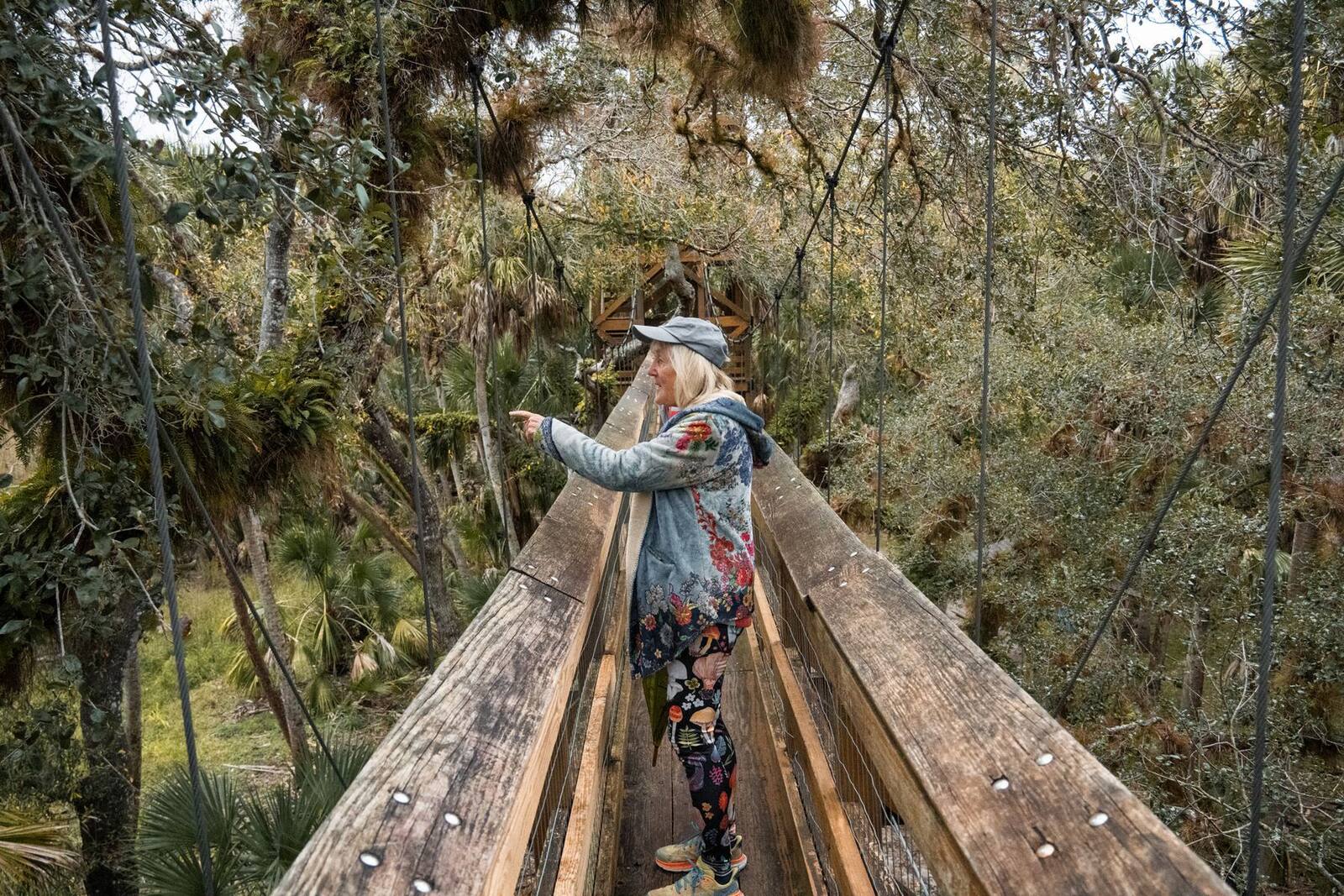
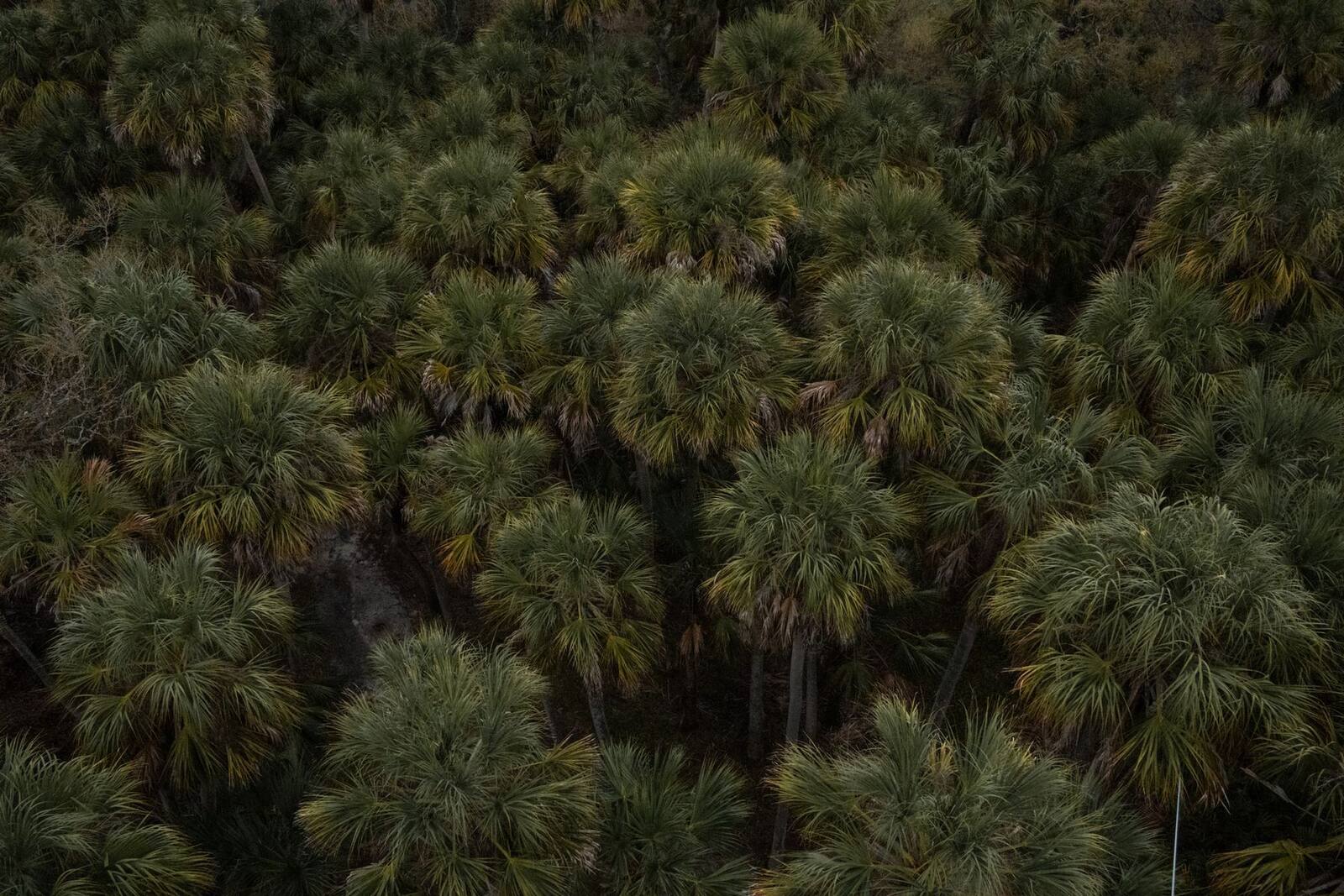
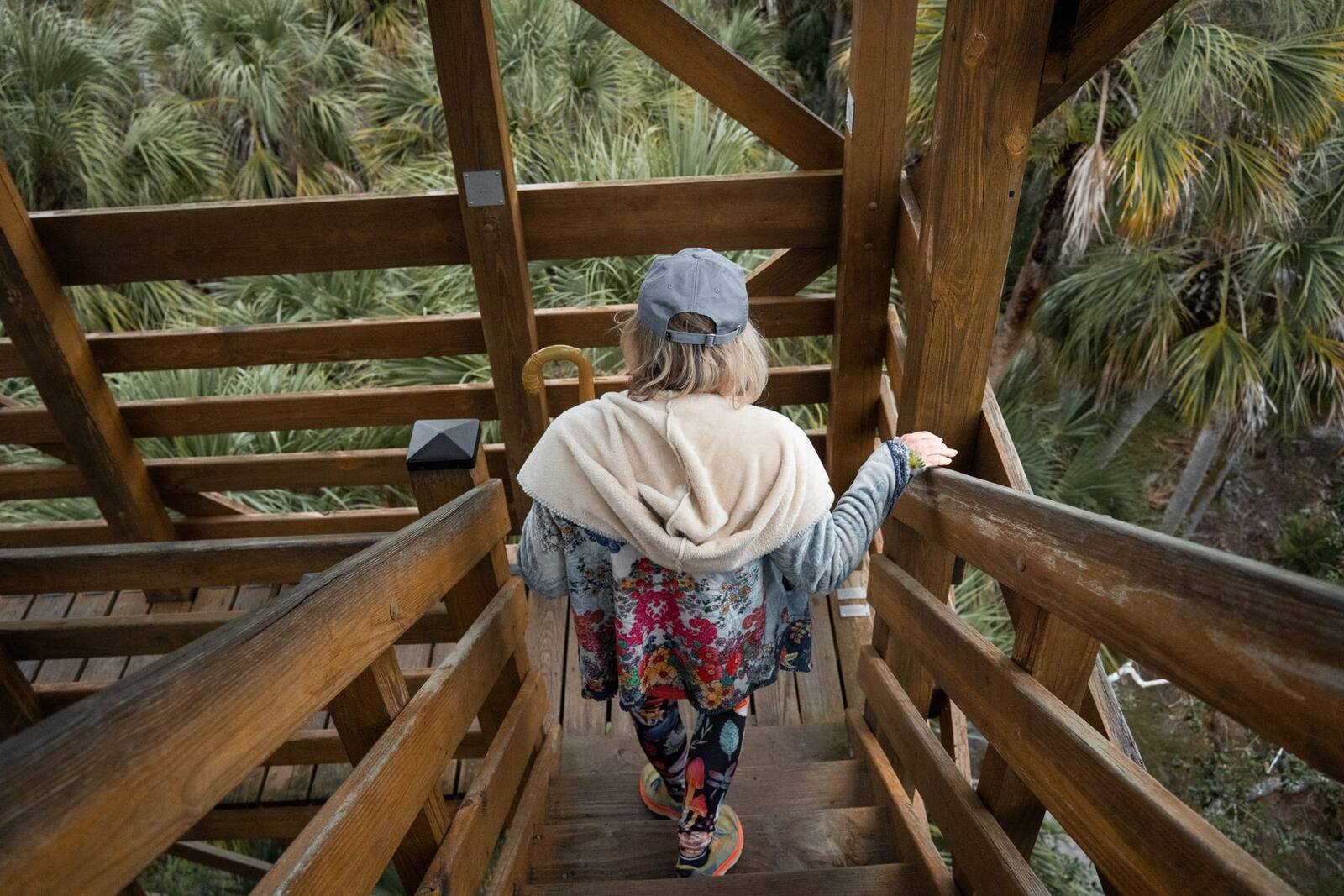
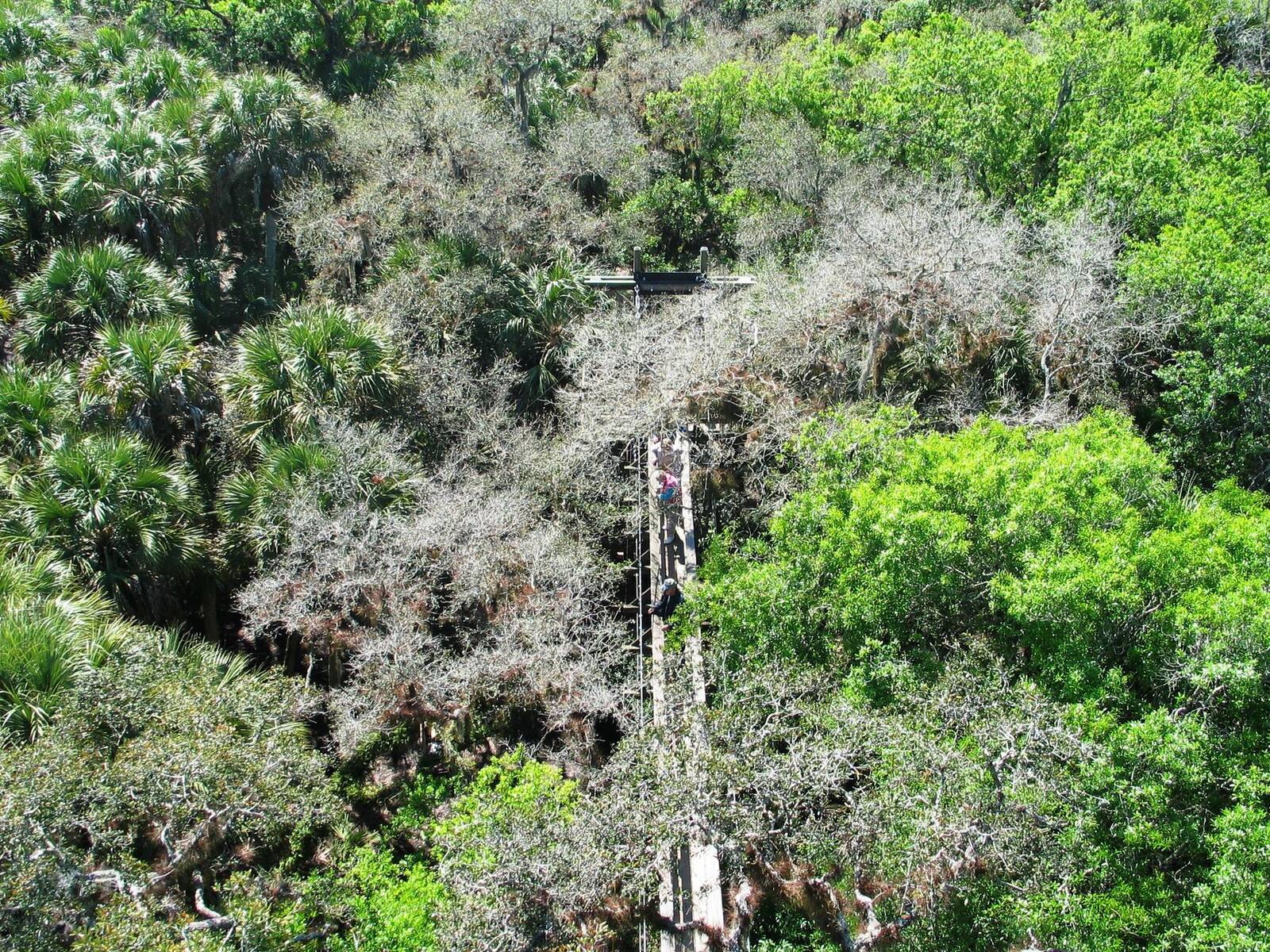
Meg on the canopy walkway, seen down its lengthA palm canopy seen from the Myakka towerClimbing the tower stairs into the canopy

Trees are climate machinery

What the canopy is actually doing up there.

A forest is often described as scenery. It is closer to plumbing, air-conditioning, a chemical works, a pharmacy, and a housing estate, running at once, for free, and largely unsupervised.

What the canopy is actually doing up there One tree with six systems marked at the height each happens: carbon, water, oxygen, shelter, medicine and discovery. Select a system to read more. Carbon Carbon Centuries of it, held in standing wood. Releasing it takes an afternoon Learn more → Water Water Rain intercepted here, fed to soil instead of flood, returned as vapour Learn more → Oxygen Oxygen Photosynthesis happens where the light is. This is the productive layer Learn more → Shelter Shelter Everything below is buffered from storm, sun and temperature swing Learn more → Medicine Medicine A large share of our drugs began as plant compounds. Most uncatalogued Learn more → Discovery Discovery The least-surveyed part of the most diverse ecosystem on Earth Learn more →

Carbon

Old-growth canopies hold carbon that took centuries to accumulate. Releasing it takes an afternoon; putting it back takes longer than any climate target we have set. This asymmetry is the whole argument for protecting standing forest before planting new ones.

Water

Forests move water. Canopies intercept rainfall, slow its arrival at the ground, feed it into soil rather than into flash floods, and return it to the atmosphere as vapor that falls again downwind. Remove the canopy and rainfall patterns change hundreds of kilometres away.

Oxygen

Photosynthesis happens where the light is, which is the top of the forest. The canopy is not a decorative layer above the productive one. It is the productive one.

Shelter

Canopies buffer everything underneath them from storms, sun and temperature swings. That buffering is what makes the forest floor habitable for the species that live there, and what makes a shaded street habitable for us.

Medicine

A large share of our drugs began as plant compounds. The canopy is the least-surveyed part of the most chemically diverse ecosystems on Earth, which means the losses there are losses of things we have not catalogued yet.

Discovery

I have spent four decades in a habitat that scientists had, until recently, decided was unreachable. It is the rarest thing in modern science: a frontier you can climb into.

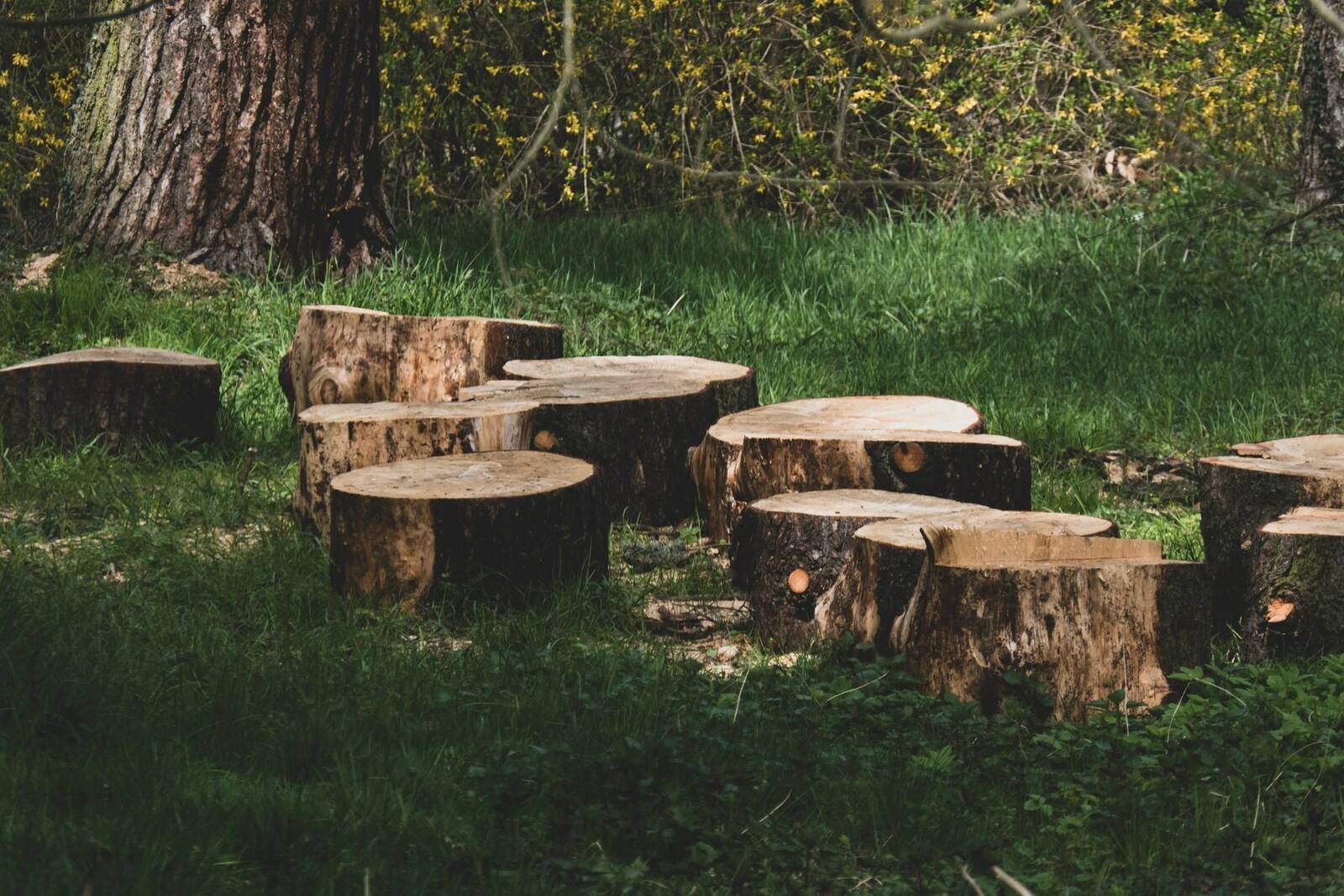
Cut stumps where a forest stood

What we are trading

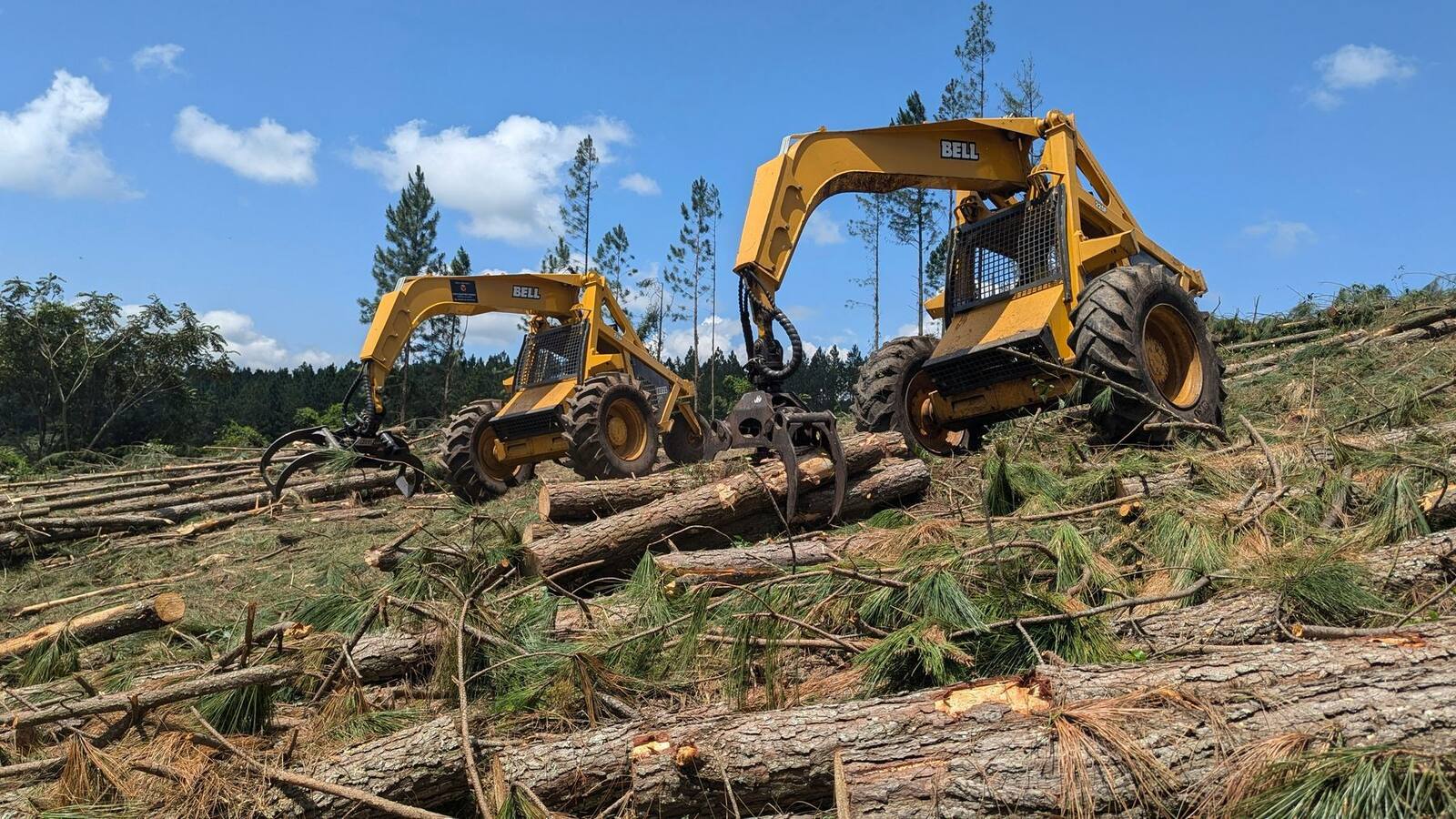
Centuries of carbon released in an afternoon. Replaced on a planting schedule nobody will live to see.

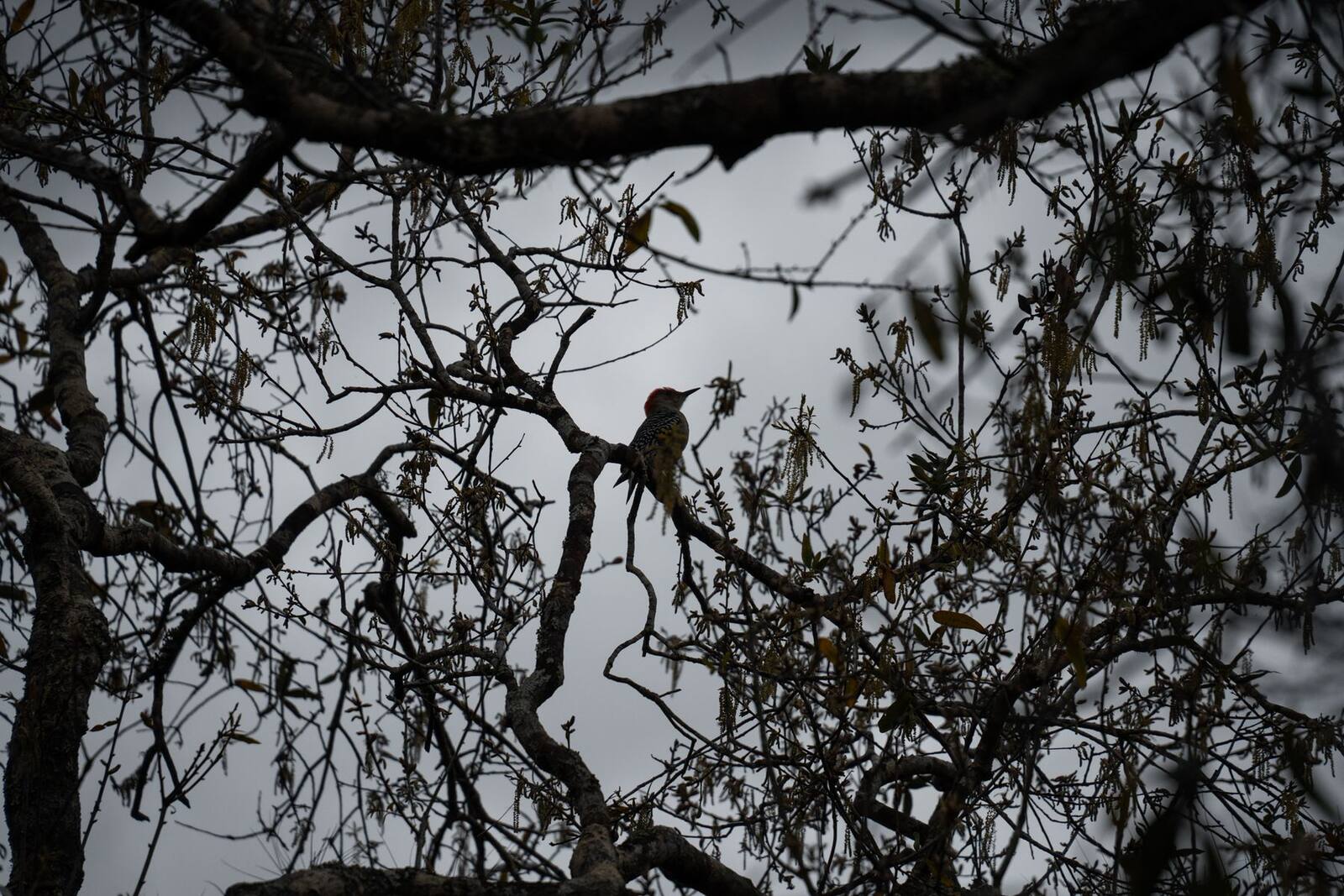
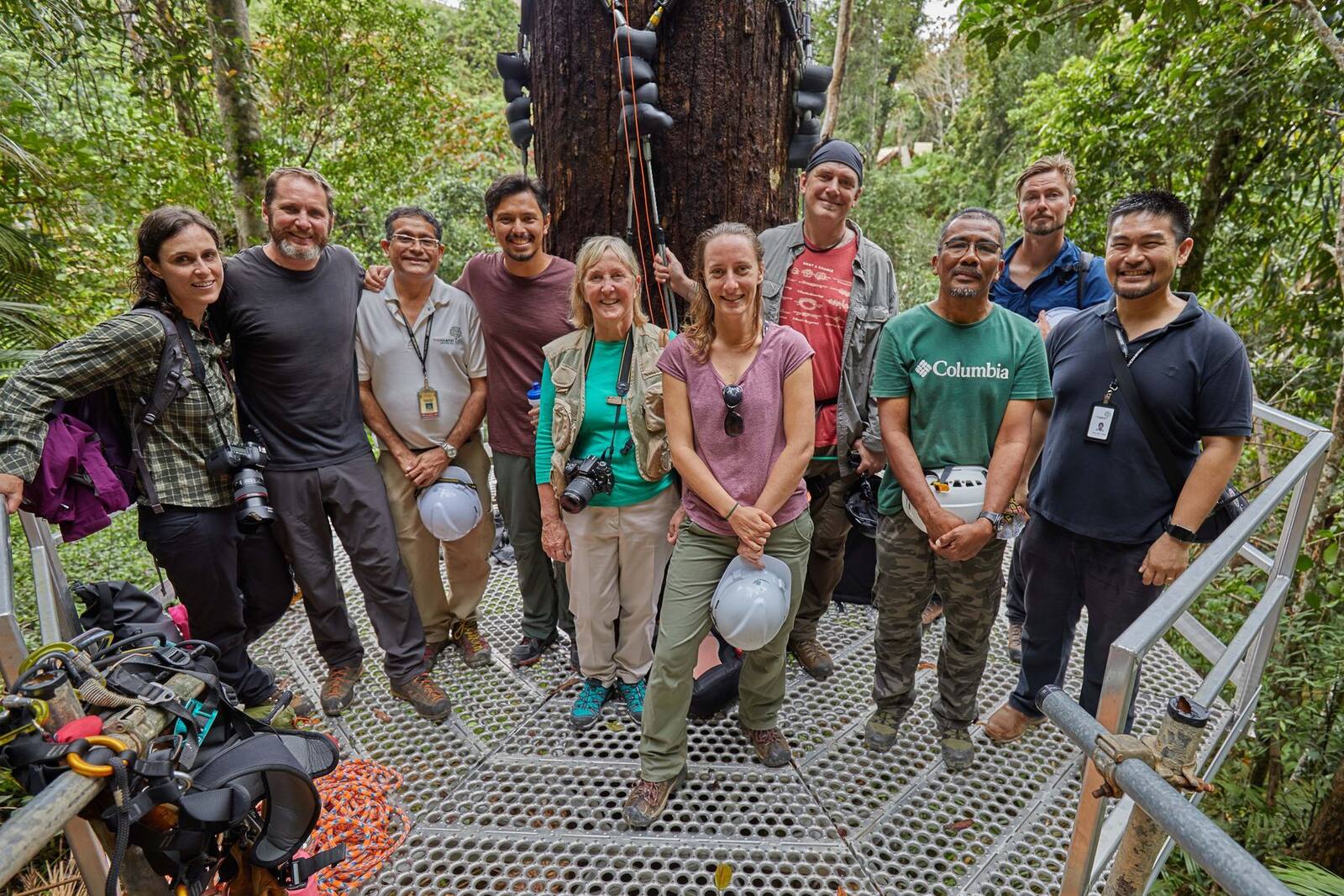
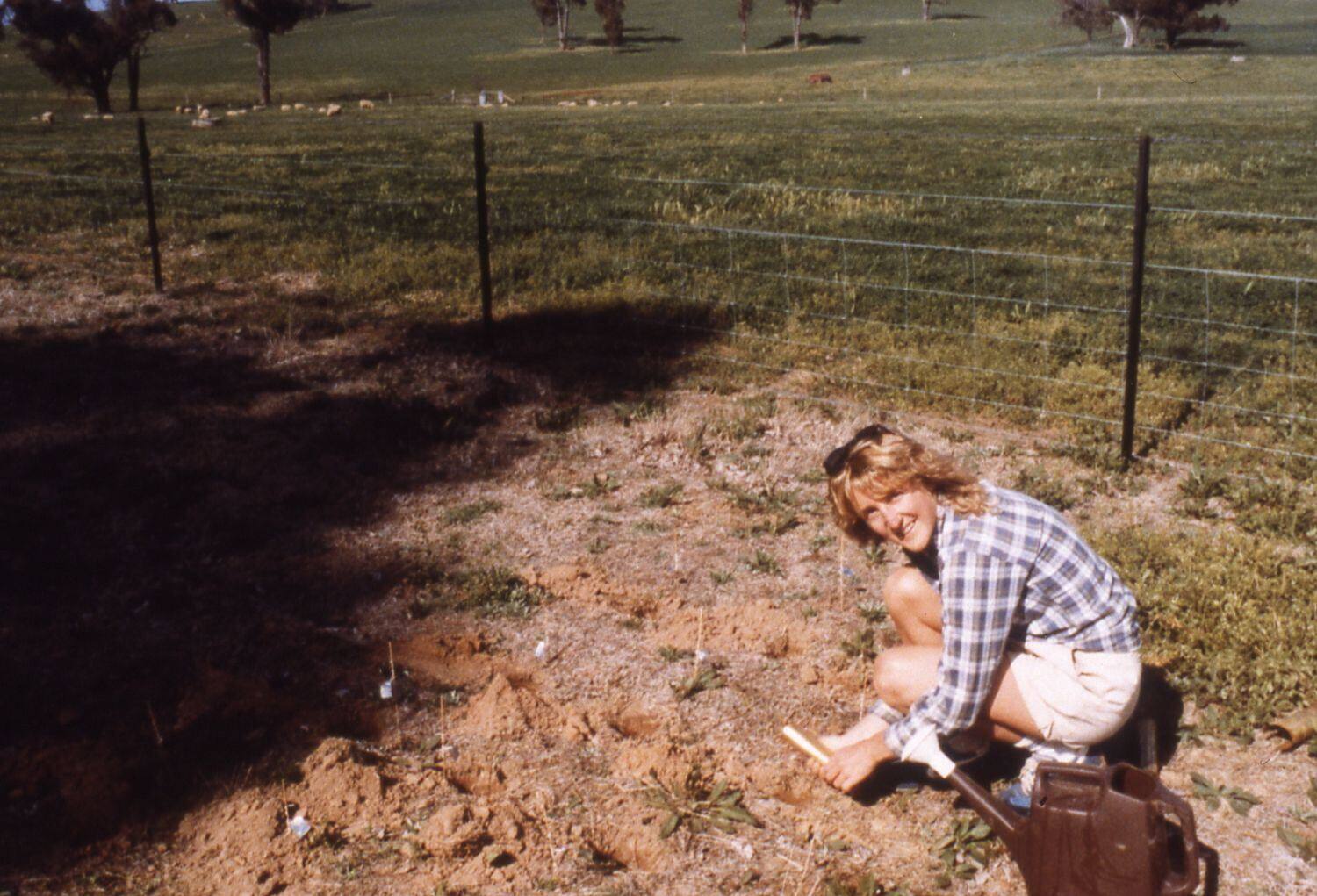
Felled timber and logging machineryBare canopy branches against the skyA team together on a canopy walkwayA researcher kneeling to work in a cleared paddock

Felled timber and logging machinery

The part that gets missed

Why the biggest, oldest trees specifically.

Planting is good. It is not the same as not cutting.

A mature canopy is a structure assembled over centuries: layered light, hollows that took two hundred years to form, soils built from its own fallen leaves, and relationships between species that only exist because all of them have been in the same place for a very long time. You cannot reassemble that on a planting schedule.

The largest, oldest trees are also the ones holding the most carbon and doing the most cooling, and they are the first ones cut, because they are worth the most as timber. That is the trade the world keeps making: the highest-functioning part of the system, exchanged for the fastest return.

Saving big trees is not a sacrifice. It is the cheapest climate work available, and it is already built.
Two ways in

Join Us and Support the Work

The coalition

Women of the Eighth Continent

Women and girls standing behind the biggest, oldest trees on Earth. Members carry the coalition seal. Referral and invitation only.

Join the coalition

The Fund

The Eighth Continent Fund

Walkways, training, and stewardship in the world's most biodiverse forests. Contributions are handled by TREE Foundation — this site takes no payment.

Donate to the Fund ↗
CartierPlant With PurposeArizona State UniversityEarthwatchJASON LearningLeadership FloridaNational University of SingaporeNational GeographicNC State UniversityNew College of FloridaNational Science FoundationNorth Carolina Museum of Natural SciencesRolexScientific AmericanThe Habitat Penang HillWilliams CollegeRachel Carson CenterPurdue UniversityGoogleUniversity of OxfordUniversity of AberdeenDuke UniversityUniversity of FloridaUS Environmental Protection AgencyThe Explorers ClubCSIRONEON (National Ecological Observatory Network)UN Environment ProgrammeTommy Hilfiger FoundationEcological Society of AmericaGirls Inc.Boys & Girls Clubs of AmericaSmithsonian InstitutionFulbright ProgramWilson CollegeElmira College

enjoy nature!

Dr. Meg Lowman · The Eighth Continent